Bangalore's home-grown developer, building Purva and Provident homes across the city since 1975.
Bangalore remains India's most active and end-user-driven residential market. Driven by IT, startups, and consistent job creation, Bangalore property remains one of India's most active real estate markets in 2026, with the city's mix of IT parks, global capability centers, R&D hubs, and expanding industrial belts keeping demand steady. Market analysis indicates strong absorption across several price brackets, particularly within the ₹80 lakh to ₹2.5 crore segment, with luxury housing launches above ₹3 crore also increasing.
Demand is broad-based, not confined to a single corridor. Strong demand continues in HSR Layout, Sarjapur Road, Whitefield, and North Bangalore, with metro expansion, infrastructure investment, and sustained IT hiring continuing to drive appreciation. Overall, residential property prices are projected to increase between 6-10 percent through the year.
As Puravankara's founding city, Bangalore carries the developer's deepest project concentration, spanning both the premium Purva label and the mid-income Provident brand. Developers like Prestige Estates, Sobha, Brigade, Godrej, Tata Housing, Puravankara (Provident brand), Embassy Group, and others are actively developing projects across the city. This competitive depth reflects a market where infrastructure-linked corridors consistently outperform.
Buyer behaviour is also evolving. Buyers favour near-completion projects and ready-to-move-in properties to avoid construction delays, while compact 2 BHK and efficient 3 BHK flats between ₹70 lakh and ₹1.5 crore continue to be the most transacted ticket sizes.
Prices vary sharply by zone, with the widest gap between peripheral growth corridors and established IT-linked micro-markets. Average apartment prices range from Rs 5,500-7,500/sqft in developing areas like Devanahalli, Yelahanka, and Kanakapura Road, to Rs 15,000-25,000/sqft in premium areas like Koramangala, Indiranagar, and Sadashivanagar, while popular IT corridors such as Whitefield, Sarjapur, and Electronic City average Rs 7,500-12,000/sqft.
Puravankara's Bangalore portfolio spans nearly every major growth corridor in the city, from established IT hubs to emerging airport-side belts.
Metro expansion is the single biggest driver reshaping Bangalore's residential map. Namma Metro's network continues to expand, drastically improving commute times and boosting property desirability near stations, with recent operational extensions to Whitefield in the East and Kanakapura Road in the South already showing impact. The Airport Line (Phase 2B), currently under construction, connects the International Airport via the Outer Ring Road and is expected to be a game-changer for North Bangalore and ORR connectivity.
Road and industrial infrastructure is advancing in parallel. Industrial and warehousing activity has seen rapid growth, especially along major highways and the upcoming Satellite Town Ring Road (STRR), fueled by e-commerce, manufacturing, and logistics needs. Housing demand is rising sharply near metro station zones, with Rajajinagar seeing a 13% rise, Jayanagar 11%, Electronic City 12%, and Bommanahalli 8%, reflecting how faster travel is reshaping residential values across the city.
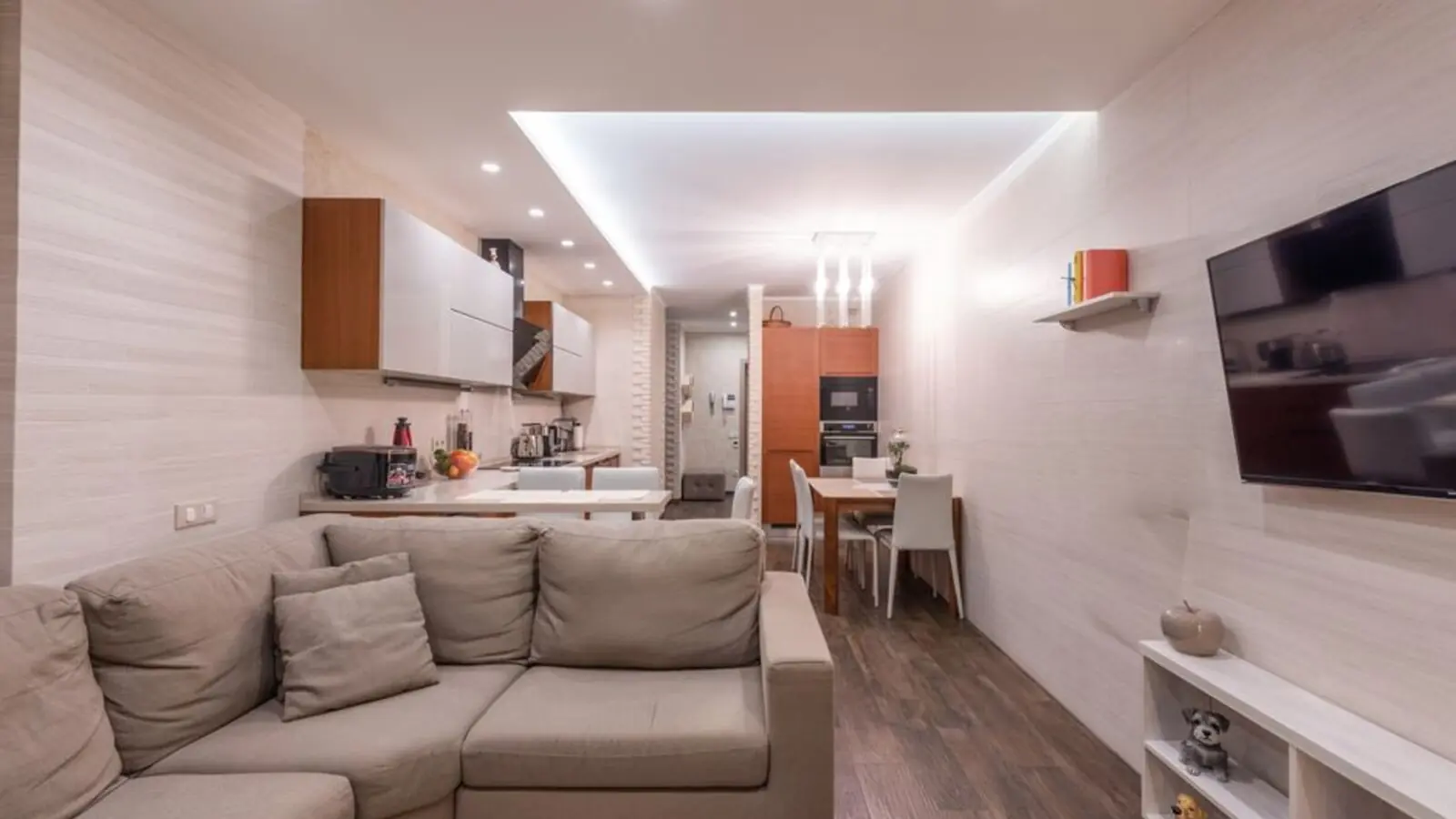
Electronic City Corridor, Bangalore
Configuration to be announced • Price on Request
7.83-acre residential development, ₹1,100 Cr GDV
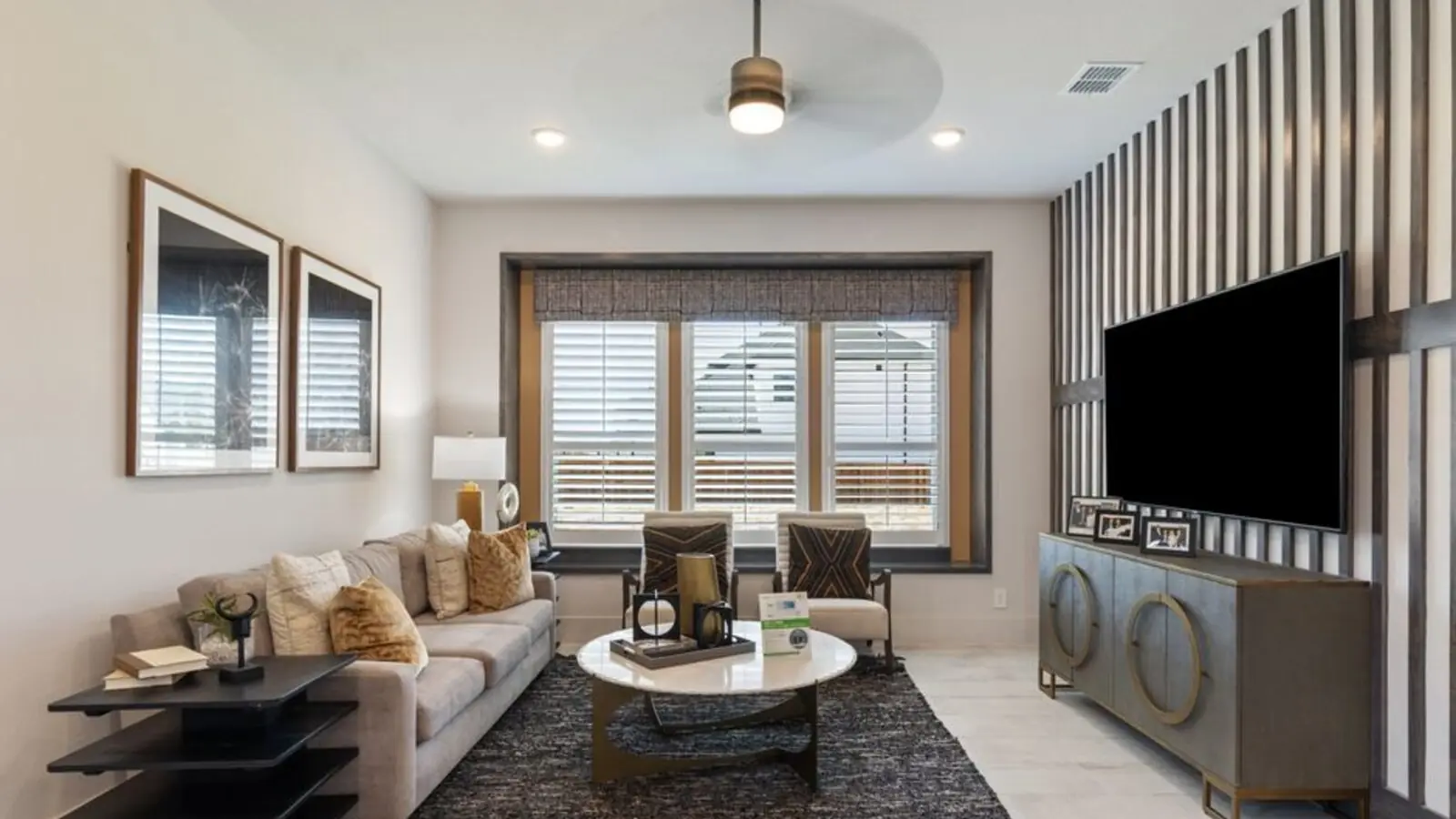
Gunjur, Varthur, Bangalore
2, 3 BHK • On Request
Upcoming homes on the Whitefield-Sarjapur belt
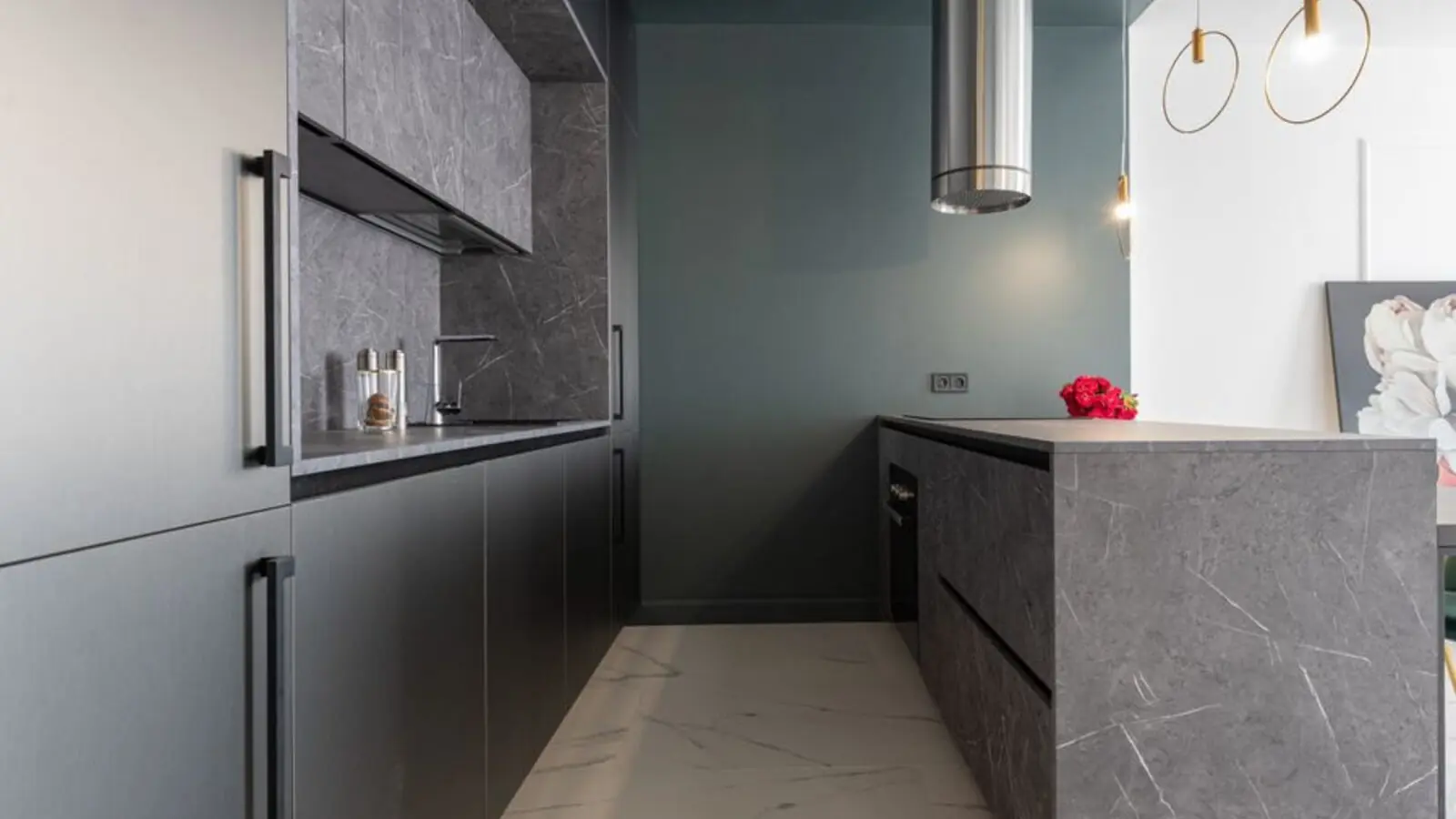
Mandur, Budigere, Bangalore
2, 3 BHK (expected) • Price on request
14.57-acre residential development, GDV ₹2,300 Cr
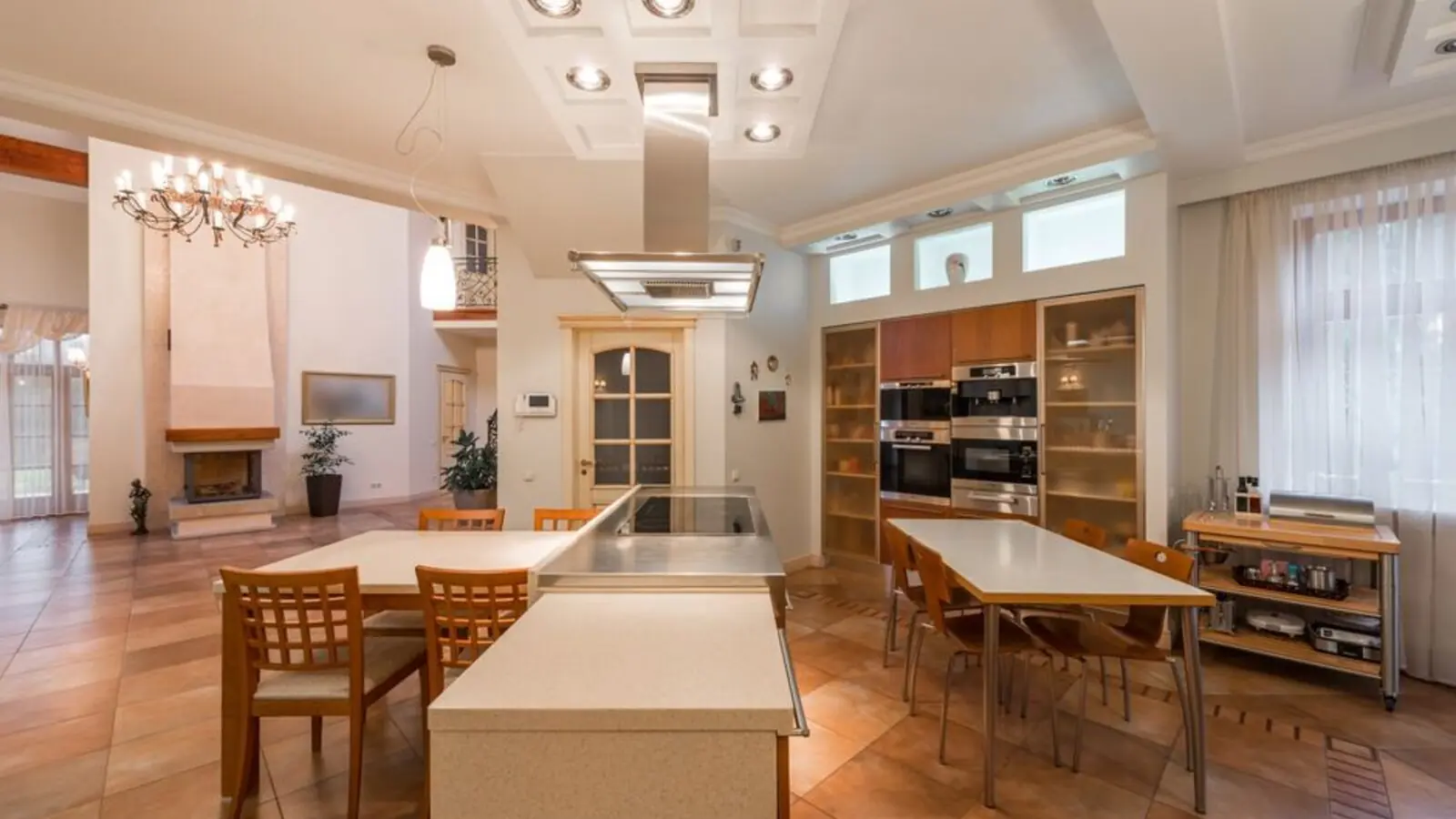
MG Road, Bangalore
2, 3 BHK • Price on request
Homes in the heart of Central Bangalore

Devanahalli, Bangalore
Residential Plots • Rs 67 L onwards
New phase of the Italian-themed Tivoli Hills township
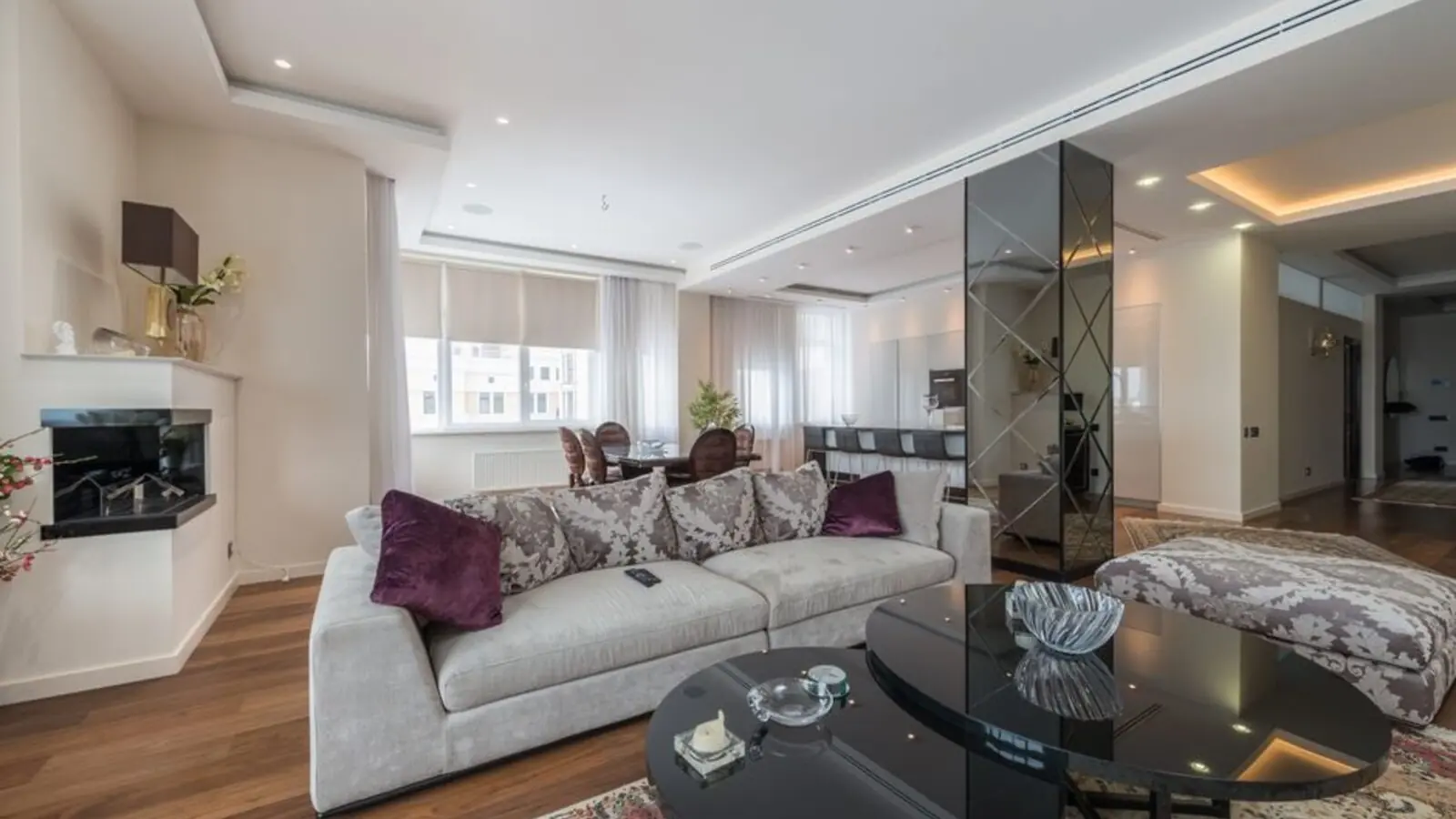
Vajrahalli, Kanakapura Road, Bangalore
3, 3.5 BHK • Rs 2.76 Cr onwards
Twin high-rise towers, up to 39 floors
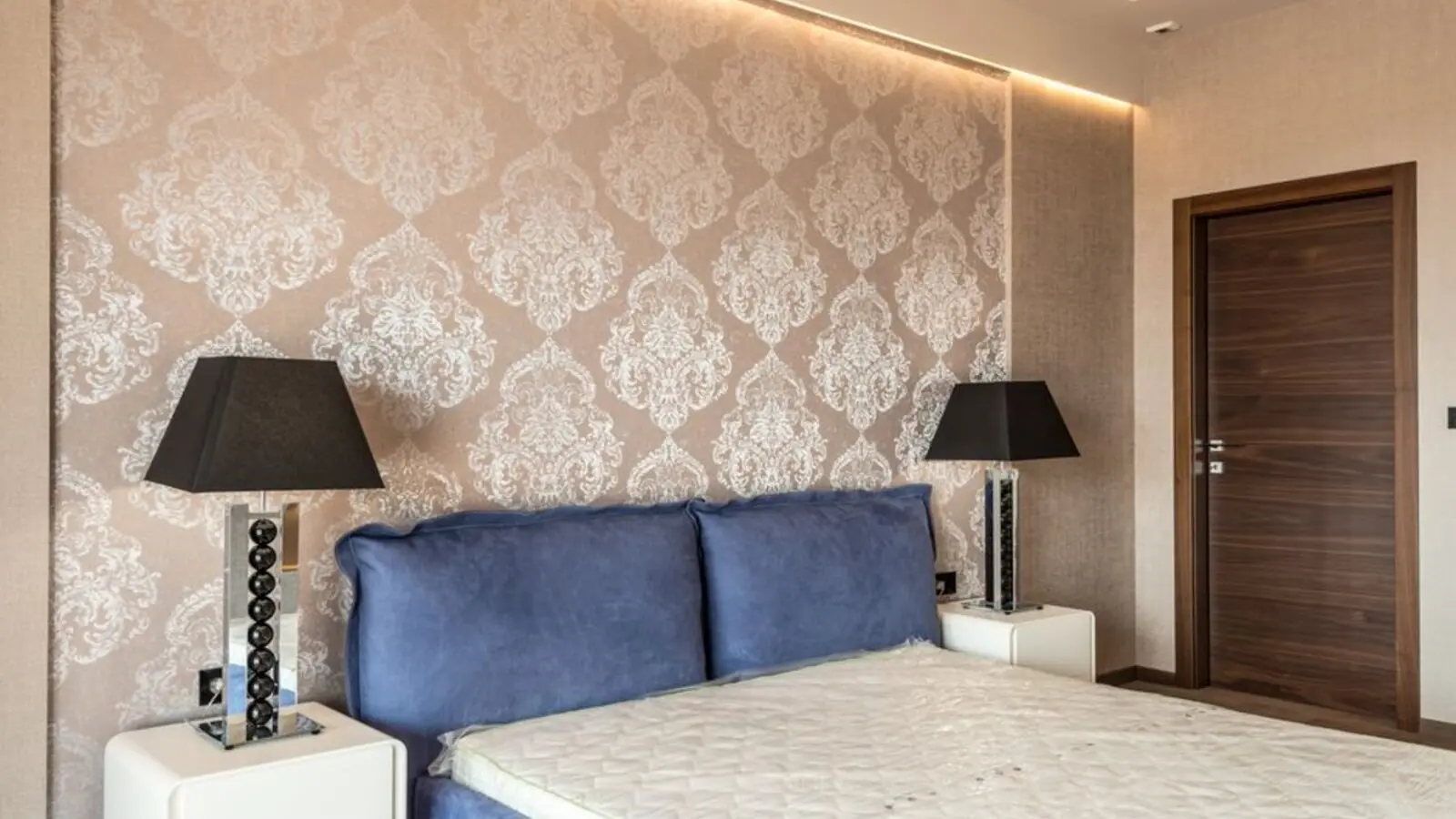
Kengeri, Bangalore
2, 3 BHK • Rs 54.99 L onwards
60-acre township near Challaghatta Metro

North Bangalore, Bangalore
2, 3 BHK • Price on request
Pre-launch apartments in Bangalore's airport corridor
Presented for informational reference only; not an offer or a contract. All particulars — pricing, dimensions, imagery — are subject to change without notice. Independent verification is recommended before deciding. About · Projects
Share your details and our expert will call you back.