Chennai outpaced India's metro markets with steady, sustained residential growth in 2025-26.
Chennai recorded around 22,180 housing units sold in 2025, representing a 15 percent increase in annual housing sales—the only city among India's top seven metropolitan housing markets to register annual growth in residential sales during the year. This remarkable performance contrasts sharply with broader market slowdown across major urban centres. The city's real estate sector demonstrated resilience driven by affordability, infrastructure expansion, diversified employment opportunities, and an end-user–focused buyer base.
Chennai recorded approximately 3,700 residential unit launches in Q1 2026, with Suburban South II leading at 38%, followed by Suburban West (18%) and Suburban North (17%). This diverse geographical spread reflects strong developer confidence across multiple corridors. Demand has concentrated in well-connected areas offering seamless access to commercial hubs and ongoing infrastructure upgrades.
Office Leasing and Global Capability Centres: The Commercial Engine
Chennai's office market recorded gross leasing of approximately 1.66 MSF in Q1 2026, supported by steady occupier demand across key commercial corridors. Global Capability Centres (GCCs) remained the primary growth driver, accounting for a record 55% of quarterly leasing, reinforcing Chennai's position as a preferred GCC hub. IT-BPM led demand with a 31% share, followed by flexible workspace and engineering and manufacturing firms. Large corporate commitments like Workday India's 1.94 lakh sq ft lease signal sustained corporate leasing demand in the tech corridor, reinforcing Chennai's status as a critical operational base for global technology majors.
Metro Connectivity: A Game Changer for Property Values
Chennai Metro Phase II—connecting Madhavaram to SIPCOT, Madhavaram to Sholinganallur, and Lighthouse to Poonamallee—is expected to commence partial operations through 2026. The impact on property values is already visible. Areas directly within 500–800 metres of operational stations—especially along OMR, Madhavaram, and Sholinganallur corridors—are likely to see 8–15% higher price appreciation than nearby non-metro pockets. Properties within 1 km of a planned metro station are witnessing 20–30% price growth.
Infrastructure-Led Price Appreciation
Planned advancements have led to increased demand for residential and commercial properties, resulting in 5–7% rise in Chennai property prices. Improved connectivity, expansion of metro rail networks, and upgrades to major arterial roads have made locations along Old Mahabalipuram Road, GST Road, Porur-Poonamallee Road, and Radial Road increasingly attractive to homebuyers. Proximity to employment hubs, educational institutions, and social infrastructure continues to influence purchasing decisions in these areas.
Suburban Growth and Affordability
A specific buyer behaviour trend across Chennai in 2026 is the 15% year-on-year increase in demand for 3 BHK and 3.5 BHK units compared to Q1 2025, with post-pandemic work-from-home habits having permanently raised space requirements. Growing localities in housing investments are in the peripheral areas of Guduvanchery, Tambaram, and Kelambakkam, driven by better connectivity, reasonable prices, and the better availability of large spaces. These emerging micro-markets offer value for buyers seeking larger footprints without premium pricing.
Why Chennai Stands Apart
The Chennai real estate market forecast for 2026 indicates consistent growth driven by metro connectivity, industrial development, and rising employment hubs. Unlike highly speculative cities, Chennai's property prices are driven largely by end-user demand, employment growth, and infrastructure development, resulting in steady, predictable appreciation rather than sharp booms and crashes. This structural stability makes Chennai an attractive long-term investment destination for both homebuyers and institutional investors navigating uncertain economic conditions.
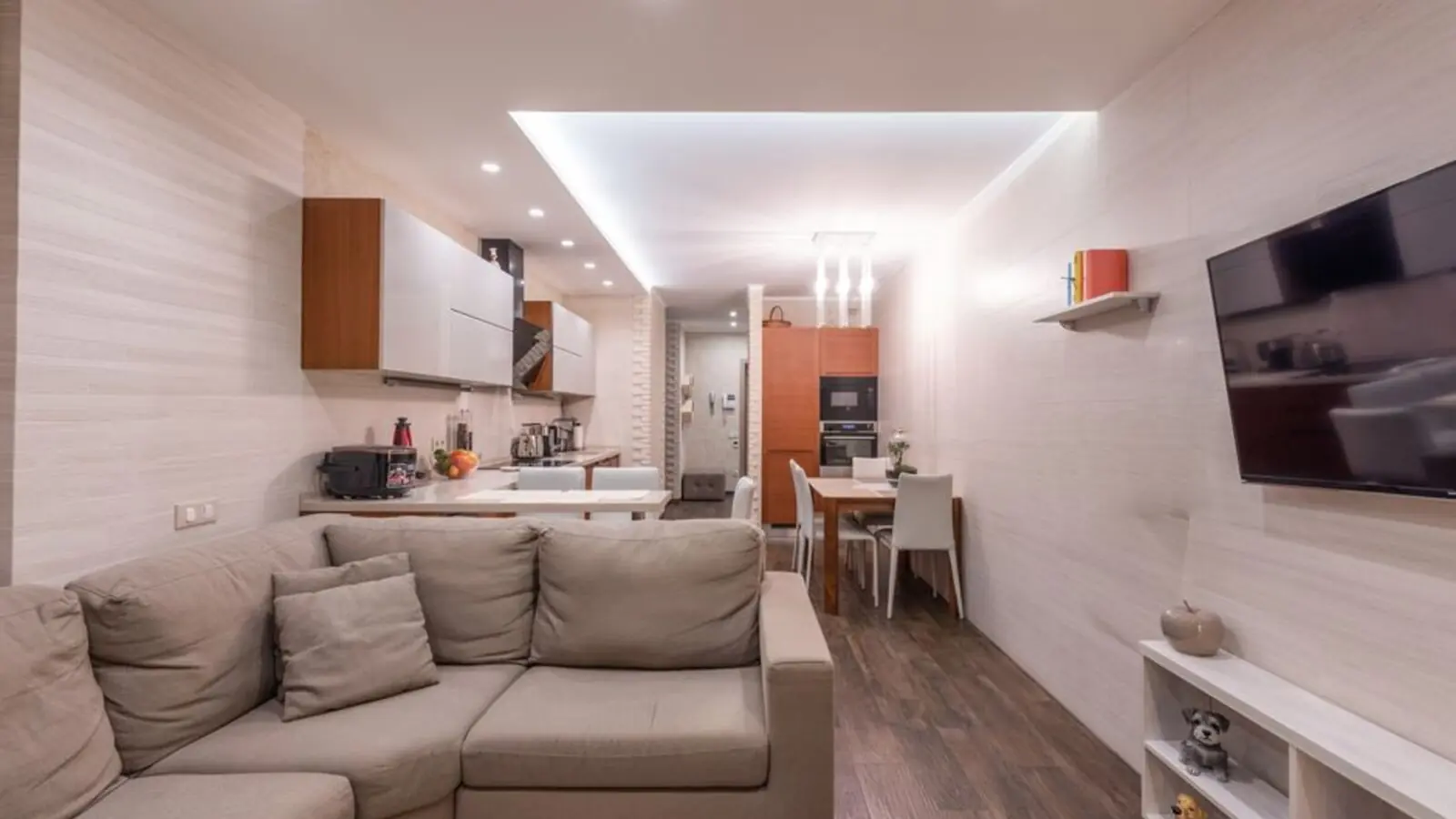
Electronic City Corridor, Bangalore
Configuration to be announced • Price on Request
7.83-acre residential development, ₹1,100 Cr GDV
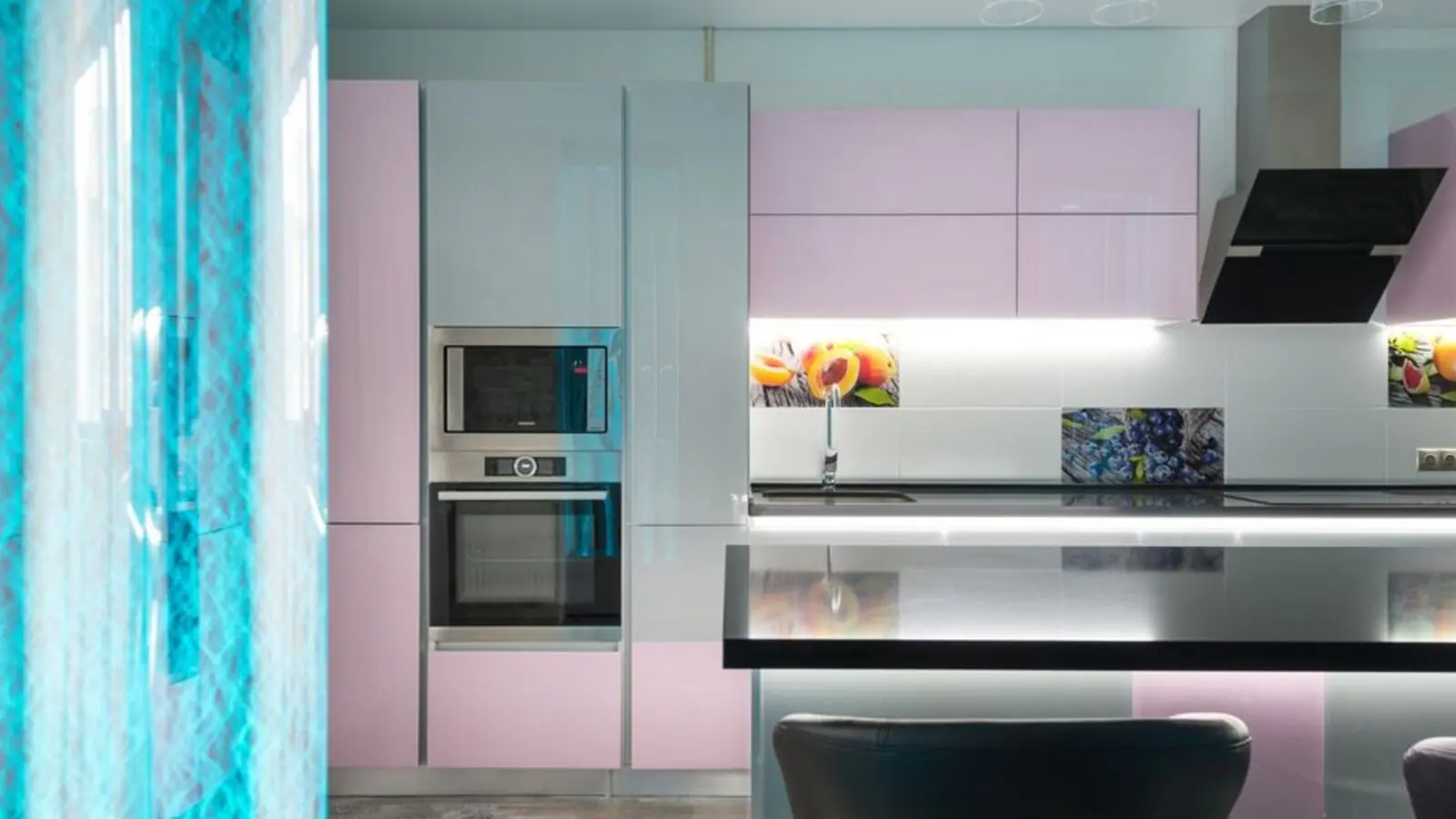
Bhandup, Mumbai
2, 3, 4 BHK • Price on request
Joint development on LBS Marg, Bhandup West
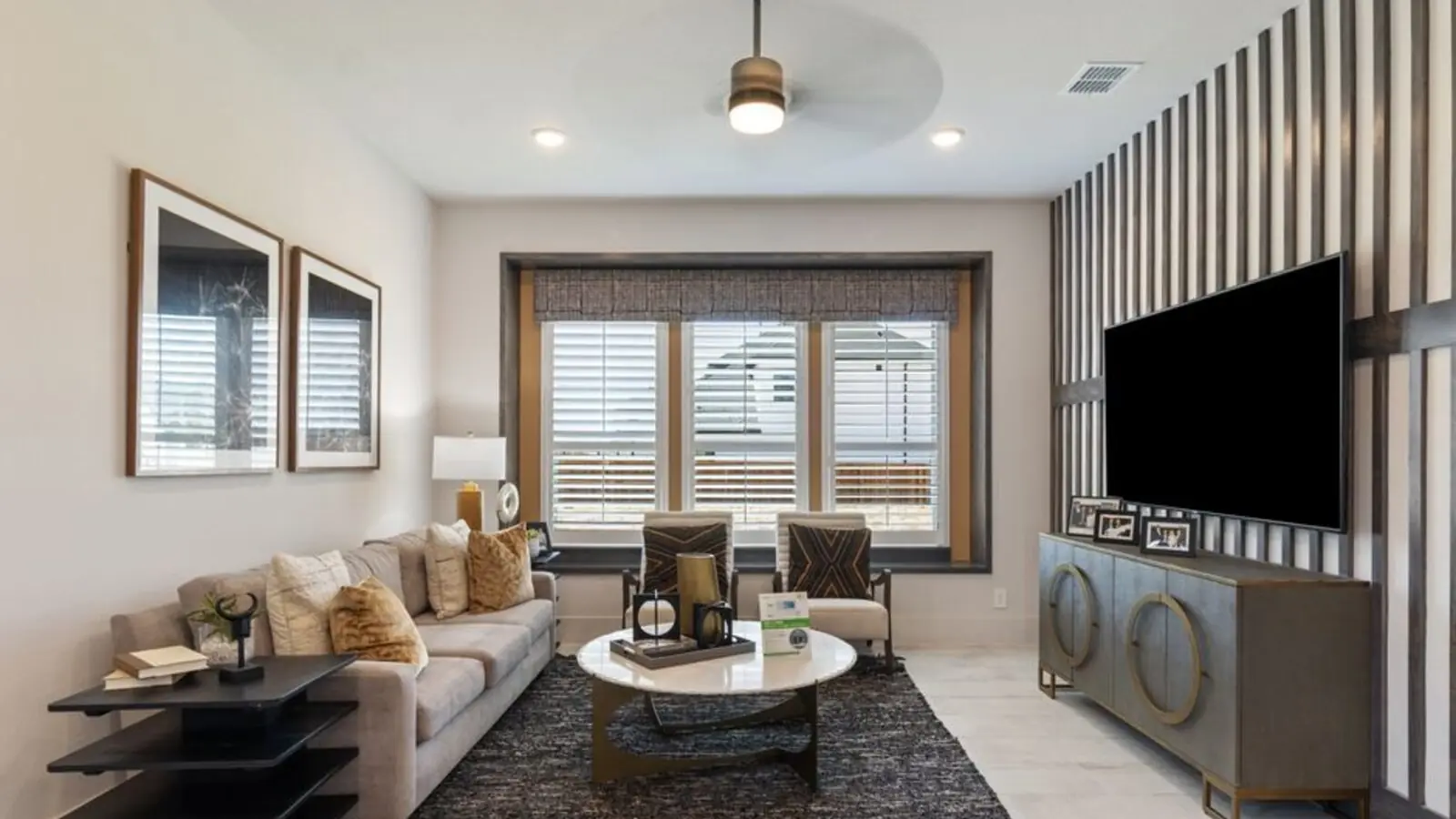
Gunjur, Varthur, Bangalore
2, 3 BHK • On Request
Upcoming homes on the Whitefield-Sarjapur belt
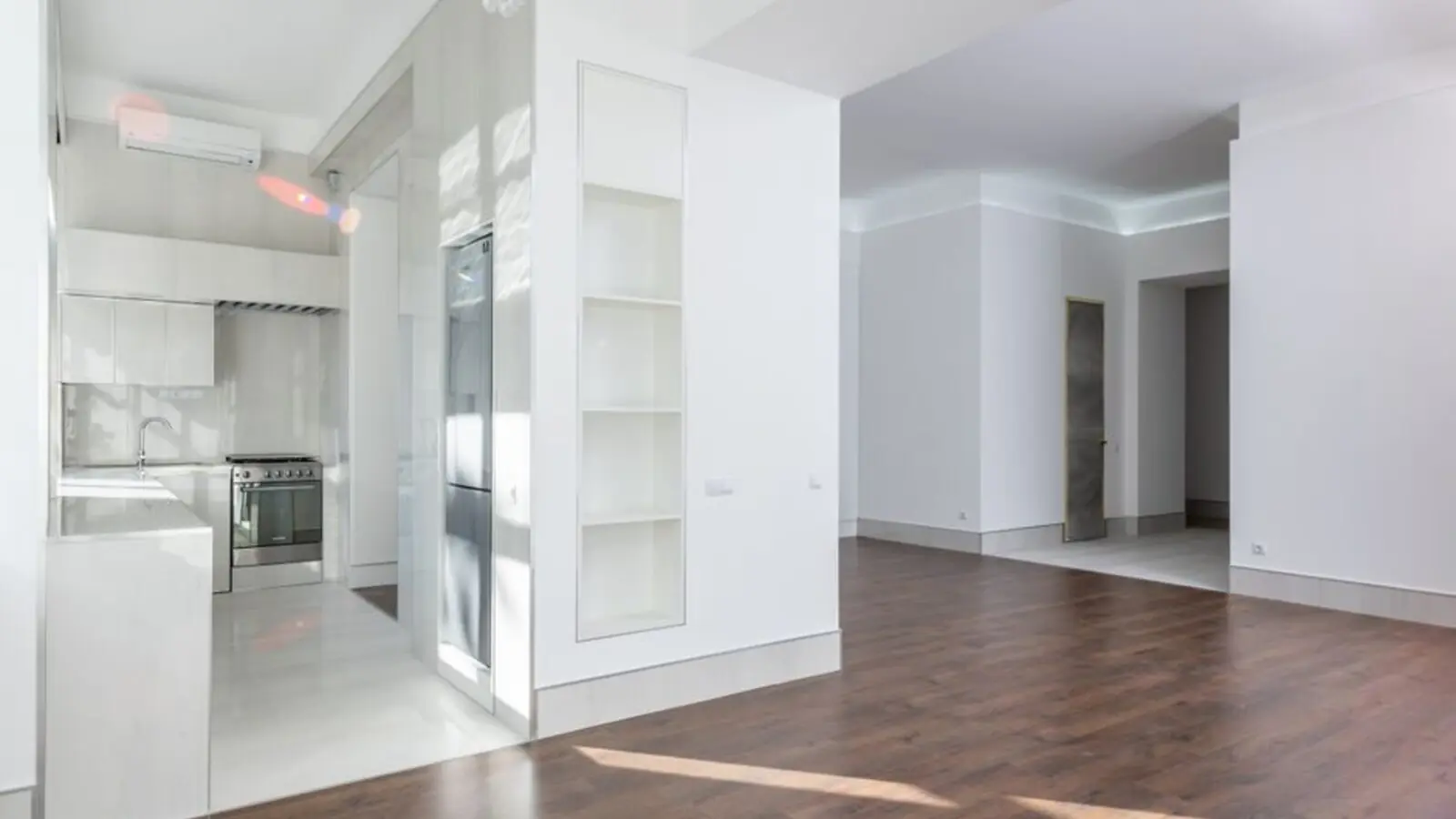
Doddagubbi, North Bengaluru
2, 3 BHK (proposed) • Price on request
11.23-acre JDA, ₹1,100 Cr GDV
Sonar Pada, Dombivli East, Mumbai
2, 3, 4 BHK • Price on Request
Upcoming homes off Kalyan-Shilphata Road
Hennur Road, Bengaluru
2, 3 BHK (expected) • Price on request
₹1,300 Cr GDV, 0.84 mn sq ft
Mandur, Budigere, Bangalore
2, 3 BHK (expected) • Price on request
14.57-acre residential development, GDV ₹2,300 Cr
Marine Drive, Kochi
1, 2, 3 BHK • Price on Request
Upcoming waterfront address near Marine Drive
Presented for informational reference only; not an offer or a contract. All particulars — pricing, dimensions, imagery — are subject to change without notice. Independent verification is recommended before deciding. About · Projects
Share your details and our expert will call you back.