Regulatory Delays Hit Puravankara's Q1 FY26 Results

E-Khata and bylaw changes disrupt handovers and revenue recognition.

Learn More

How Regulatory Changes Impacted Puravankara's Q1 FY26 Financial Performance

Puravankara reported a net loss of Rs 68.55 crore in the first quarter of the financial year 2026 ended 30 June, as compared to a net profit of Rs 14.78 crore in the same quarter the previous year, on the back of a dip in handovers and sales due to regulatory changes. The company's revenue from operations narrowed to Rs 524.4 crore, down 20.3 per cent in the quarter.

"Our handovers and sales were less than our expectations due to regulatory changes, including e-Khata and changes in byelaws," said Ashish Puravankara, Managing Director of the company. However, the management remained optimistic, noting that approvals had begun to come through and setting the stage for a more active launch calendar in subsequent quarters.

The e-Khata system, a digital property record initiative by Karnataka's municipal authorities, became mandatory for BBMP properties and created friction during implementation. The developers' body CREDAI Bengaluru said the sudden switch had caused "significant distress" to both buyers and builders, with property registrations worth nearly ₹8,000 crore delayed since October 2024. Developers said delays in khata updates and registrations have slowed cash flows and pushed back project handovers, even as demand in the city remains strong.

Despite revenue headwinds, Puravankara showed underlying strength in its sales metrics. In Q1FY26, the company recorded sales of Rs 1,124 crore, up 6 per cent year-on-year, on sales volume of 1.25 million square feet. The average realisation rose 9 per cent to Rs 8,988 per square foot, while collections stood at Rs 857 crore. This suggests sustained customer interest even as regulatory challenges disrupted execution timelines.

Looking ahead, the regulatory environment is stabilizing. Regulatory delays, particularly in Mumbai due to NGT and MoEF approvals, have pushed key launches to late Q3 or Q4. Bengaluru projects faced approval delays due to bylaw revisions but are expected to launch within the year. Puravankara's launch pipeline is robust, with plans for 12.32 million square feet in development, including new projects and phase launches. For homebuyers considering Puravankara projects, the delayed approvals may ultimately work in their favour—stabilised timelines and clearer regulatory frameworks typically translate to smoother project execution and handovers.
PURAVANKARA Projects

PURAVANKARA SOUTH-EAST BENGALURU (ELECTRONIC CITY CORRIDOR)
Acquisition

PURAVANKARA SOUTH-EAST BENGALURU (ELECTRONIC CITY CORRIDOR)

Electronic City Corridor, Bangalore

Configuration to be announced • Price on Request

7.83-acre residential development, ₹1,100 Cr GDV

PURAVANKARA BHANDUP
Upcoming

PURAVANKARA BHANDUP

Bhandup, Mumbai

2, 3, 4 BHK • Price on request

Joint development on LBS Marg, Bhandup West

Puravankara Codename Arbor
Upcoming

Puravankara Codename Arbor

Gunjur, Varthur, Bangalore

2, 3 BHK • On Request

Upcoming homes on the Whitefield-Sarjapur belt
Puravankara Doddagubbi Bengaluru
Upcoming

Puravankara Doddagubbi Bengaluru

Doddagubbi, North Bengaluru

2, 3 BHK (proposed) • Price on request

11.23-acre JDA, ₹1,100 Cr GDV

Puravankara Dombivli
Upcoming

Puravankara Dombivli

Sonar Pada, Dombivli East, Mumbai

2, 3, 4 BHK • Price on Request

Upcoming homes off Kalyan-Shilphata Road

Puravankara Hennur Road Bengaluru
Upcoming

Puravankara Hennur Road Bengaluru

Hennur Road, Bengaluru

2, 3 BHK (expected) • Price on request

₹1,300 Cr GDV, 0.84 mn sq ft

Puravankara Mandur Budigere Bengaluru
Upcoming

Puravankara Mandur Budigere Bengaluru

Mandur, Budigere, Bangalore

2, 3 BHK (expected) • Price on request

14.57-acre residential development, GDV ₹2,300 Cr
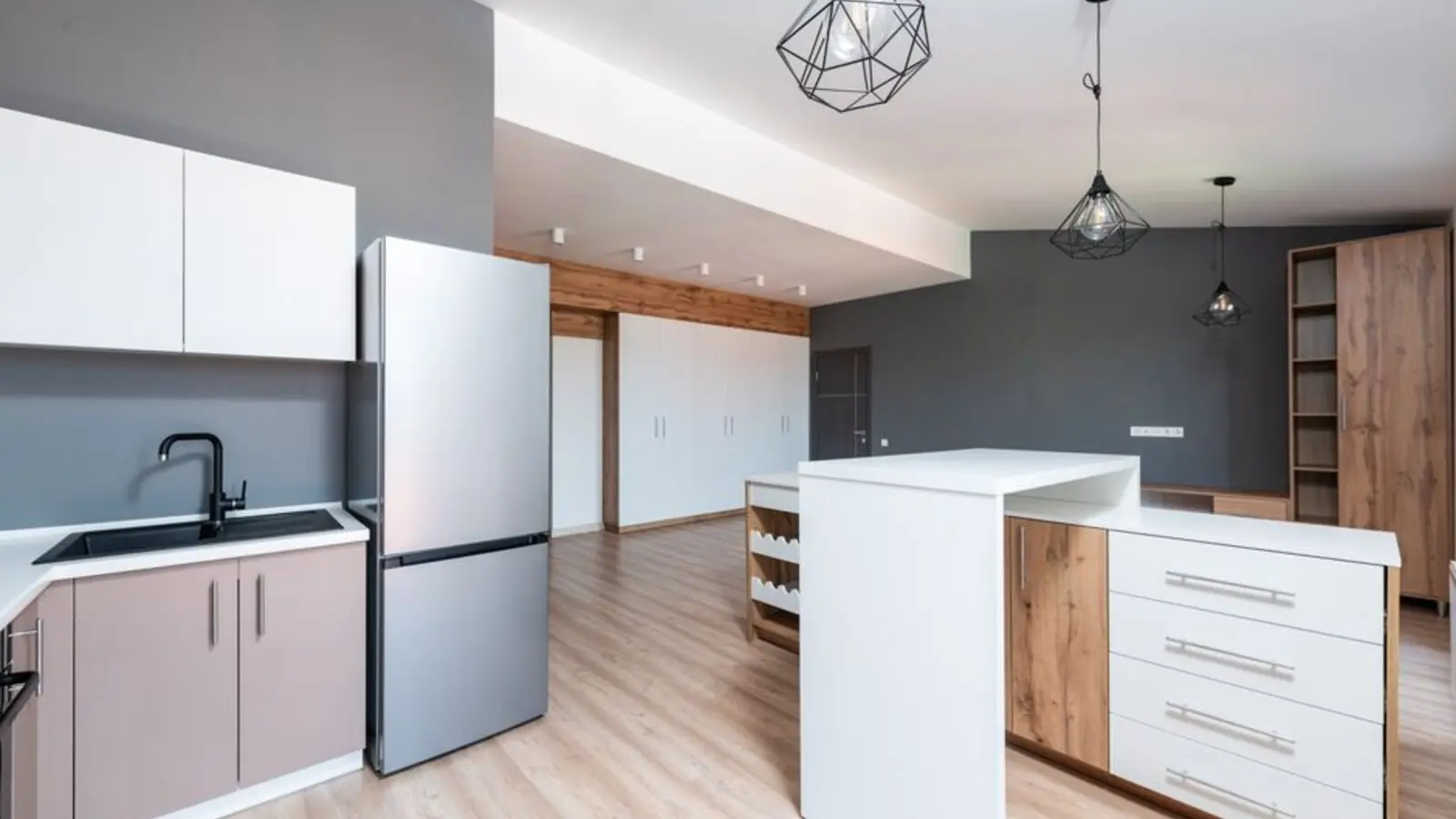
Puravankara Marine Drive 2
Upcoming

Puravankara Marine Drive 2

Marine Drive, Kochi

1, 2, 3 BHK • Price on Request

Upcoming waterfront address near Marine Drive

Enquire

Get in Touch

Back

Reference & FAQ

What is e-Khata and why did it impact Puravankara's Q1 FY26 results?
The E-Khata is a computerised property record kept by bodies such as the former BBMP and other municipal corporations, containing details of ownership, surveys and tax liabilities. The sudden implementation led to an almost 60% dip in the city's property registrations. Puravankara's handovers and revenue recognition were delayed because e-Khata transfer became essential for completing property transactions and securing final approvals.
Did Puravankara's sales decline in Q1 FY26?
No. The company recorded sales of Rs 1,124 crore, up 6 per cent year-on-year, on sales volume of 1.25 million square feet. Sales remained resilient; the loss was driven by lower handovers and deferred revenue recognition due to regulatory delays, not weak demand.
Will these regulatory delays affect my home handover timeline?
Bengaluru projects faced approval delays due to bylaw revisions but are expected to launch within the year. The regulatory environment is normalizing. Homebuyers who have already booked should see clearer timelines as approvals stabilize; those considering new purchases benefit from projects launching with full regulatory clarity.
What changes in bylaws did Puravankara mention?
Management cited regulatory changes, including e-Khata and changes in byelaws. These were primarily Bengaluru-specific bylaw revisions that affected project approvals and occupancy certificate issuance, which in turn delayed revenue recognition under accounting standards.
How did collections hold up despite the loss?
Collections stood at Rs 857 crore in Q1 FY26. This demonstrates continued buyer confidence and healthy cash inflows, even though the company reported a net loss due to timing differences in handovers and revenue recognition.
Did Puravankara's average realization (price per sq ft) improve?
Yes. The average realisation rose 9 per cent to Rs 8,988 per square foot. This reflects Puravankara's strategy to focus on premium, higher-value units, which strengthens margins despite lower unit volumes in the short term.
What is Mumbai's regulatory situation for Puravankara?
Regulatory delays, particularly in Mumbai due to NGT and MoEF approvals, have pushed key launches to late Q3 or Q4. NGT (National Green Tribunal) and Ministry of Environment & Forest approvals were the bottleneck, but approvals were expected to clear by late 2025, enabling launches in the latter half of FY26.
How large is Puravankara's pipeline?
Puravankara's launch pipeline is robust, with plans for 12.32 million square feet in development, including new projects and phase launches. This suggests strong forward momentum once regulatory hurdles are cleared.
Is Puravankara shifting its geographic focus?
The company is shifting from a Bengaluru-centric portfolio, with over half of ongoing and upcoming projects now outside the city. Mumbai and Pune's share of sales rose from 15% to 24%. This diversification reduces concentration risk and spreads regulatory exposure across multiple jurisdictions.
When did these regulatory issues get resolved?
In Q3FY26, Puravankara reported a Profit After Tax of ₹58.48 crore, compared to a loss of ₹94 crore in Q3FY25, with the single quarter's performance meaningfully offsetting cumulative losses recorded in the previous two quarters, primarily due to handover delays in H1FY26 arising from regulatory transitions. By Q3, the regulatory headwinds had largely passed, driving a strong profitability recovery.

Presented for informational reference only; not an offer or a contract. All particulars — pricing, dimensions, imagery — are subject to change without notice. Independent verification is recommended before deciding. About · Projects