Metro corridors set to cut commute times for Pallikaranai and OMR residents.
South Chennai's residential belt is on the verge of its biggest infrastructure upgrade in two decades. Chennai Metro Phase II is a ₹63,246 crore expansion adding 118.9 km across three new corridors and 128 stations, the largest single infrastructure investment in Chennai's history. For homeowners and buyers in Pallikaranai, Perungudi, Thoraipakkam, and the broader OMR stretch, this is not a distant promise but a project already visible on the ground.
Of the three corridors under construction, two directly serve the OMR-South Chennai belt. Corridor-(i) runs from Madhavaram to SIPCOT for a length of 45.8 Km with 50 stations, and Corridor-(iii) runs from Madhavaram to Sholinganallur for a length of 47 Km with 48 stations. The Madhavaram-SIPCOT line, also called the Purple Line, threads directly through the OMR IT corridor. Its station list includes Kandanchavadi, Perungudi, Thoraipakkam, Mettukuppam, PTC Colony, Okkiyampet, Karapakkam, Okkiyam Thoraipakkam, Sholinganallur, Sholinganallur Lake, Ponniamman Temple, Sathyabama University, St Joseph College, Semmancheri, Gandhi Nagar, Navallur, Siruseri, SIPCOT 1 and SIPCOT 2 — a route that runs almost parallel to the residential clusters feeding into Pallikaranai and Medavakkam from the east.
The most consequential node for South Chennai commuters is Sholinganallur. Sholinganallur will be the only interchange point between Corridor 3 and Corridor 5, making it the most strategically significant station on the entire OMR stretch. The station is being built as an elevated interchange at 28.8 metres, integrated with an eight-storey linked building housing a plaza, parking, retail, and commercial floors. For residents of Pallikaranai and neighbouring Medavakkam, this interchange effectively becomes the gateway that links the OMR IT corridor to the rest of the metro network running toward Madhavaram in the north.
Timelines matter as much as routes for anyone planning a home purchase. Partial operations along OMR are expected from 2026, with full Phase II completion between 2028 and 2030, and the Sholinganallur interchange station is slated to be among the first stations operational on the corridor. This phased rollout means residents of Pallikaranai and adjoining OMR suburbs could see partial metro access well before the entire 118.9 km network is complete.
The construction activity is already influencing how brokers and analysts price property along the corridor. Properties within 1 km of planned Phase II stations have already seen 20–30% price increases, and interchange-adjacent locations like Sholinganallur are projected to accelerate to 15–18% annual appreciation as opening dates are near. Nationally, this pattern is consistent — interchange-adjacent properties have appreciated 15–18% annually as opening dates near, compared to 8–10% for standard metro-adjacent locations. For a locality like Pallikaranai, which sits within a short drive of Sholinganallur and is already threaded by Velachery Main Road, OMR, and Medavakkam Main Road, this translates into a tangible connectivity dividend even before trains start running.
It's worth noting that South Chennai's growth has also drawn scrutiny over wetland and environmental clearances near the Pallikaranai marsh, an issue that has occasionally slowed project approvals in parts of the belt. Perungudi, Thoraipakkam, Pallikaranai, Perumbakkam and Sholinganallur are established residential belts with apartments, schools, metro work, MRTS, hospitals and redevelopment activity, underlining that infrastructure and residential development are proceeding in parallel with regulatory oversight rather than being stalled by it.
For homebuyers evaluating Pallikaranai, the metro's arrival adds to an already strong locational case: proximity to OMR's IT parks, existing MRTS access at Velachery, and arterial road connectivity via GST Road. As Phase 2 construction progresses toward its 2026 partial-opening target, early movers in the corridor are positioning themselves ahead of the connectivity shift rather than after it.
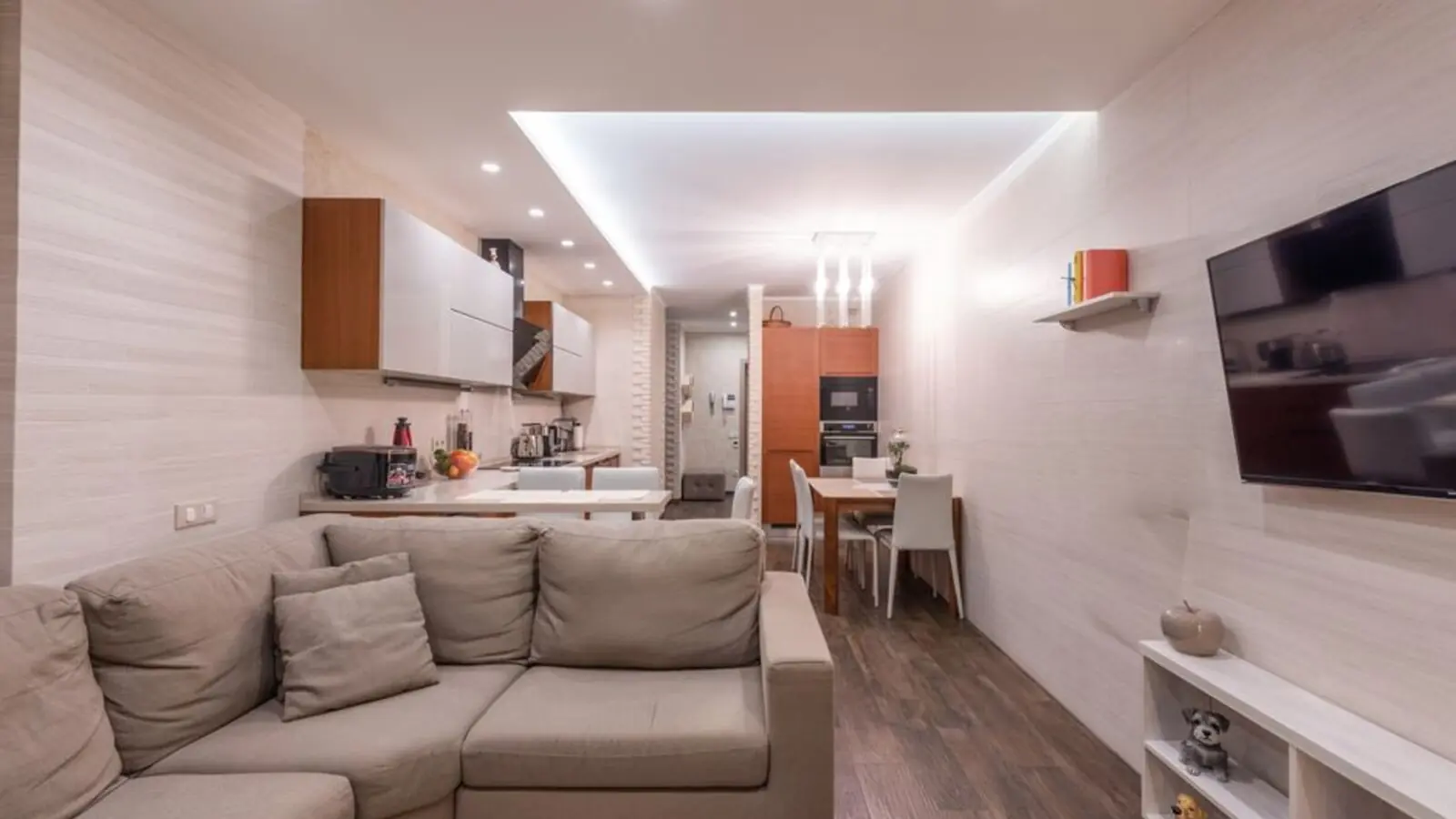
Electronic City Corridor, Bangalore
Configuration to be announced • Price on Request
7.83-acre residential development, ₹1,100 Cr GDV
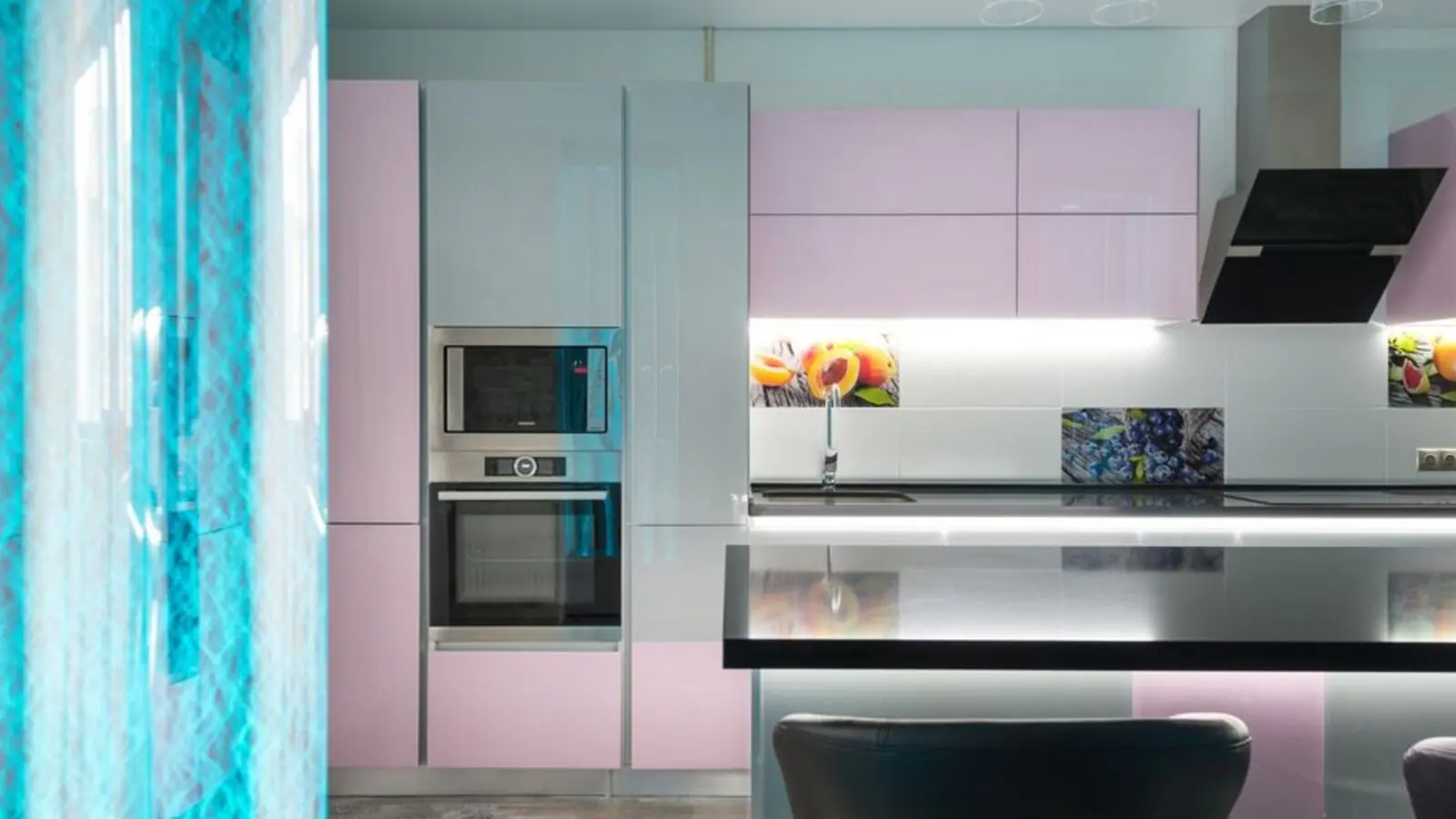
Bhandup, Mumbai
2, 3, 4 BHK • Price on request
Joint development on LBS Marg, Bhandup West
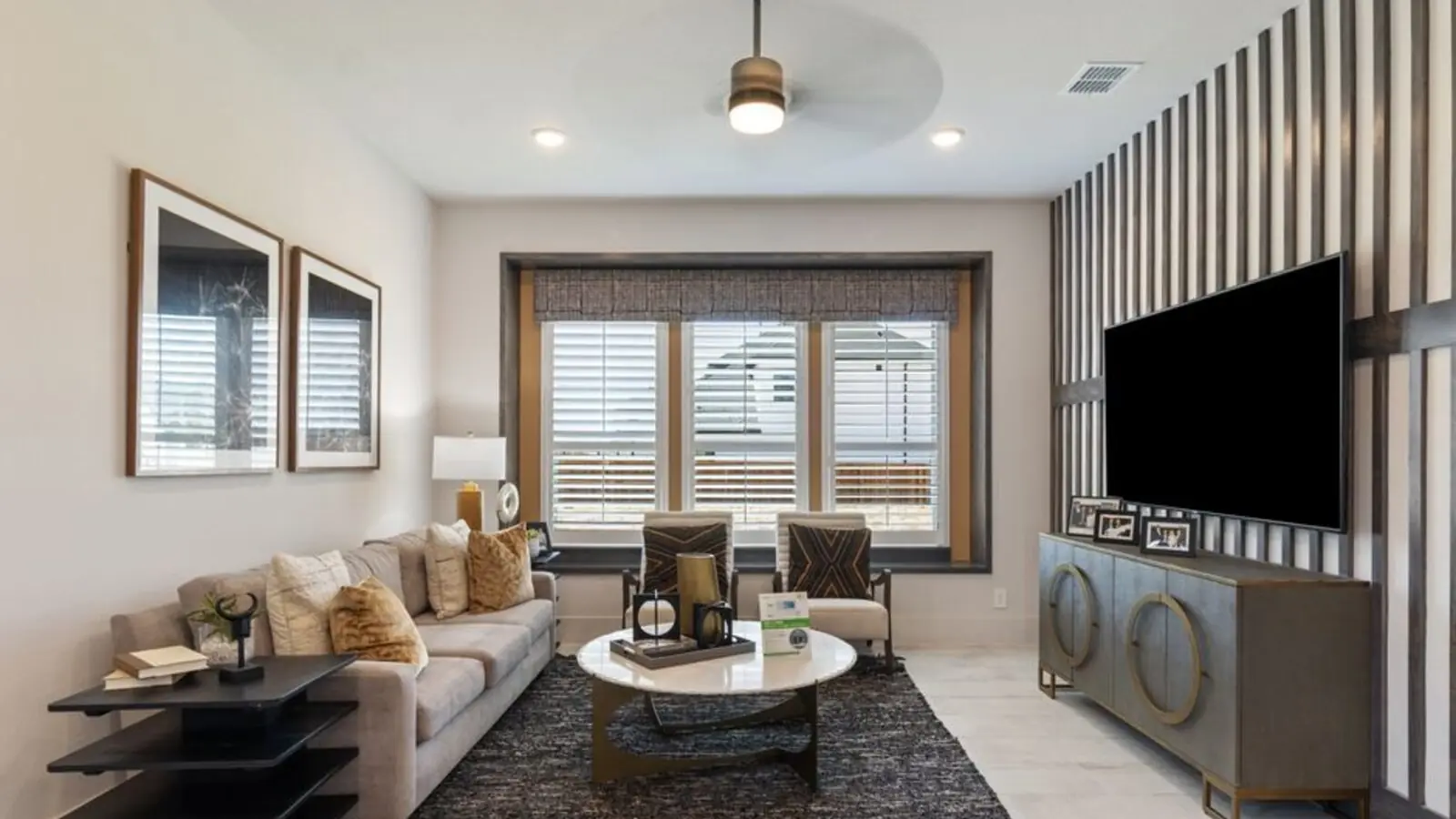
Gunjur, Varthur, Bangalore
2, 3 BHK • On Request
Upcoming homes on the Whitefield-Sarjapur belt
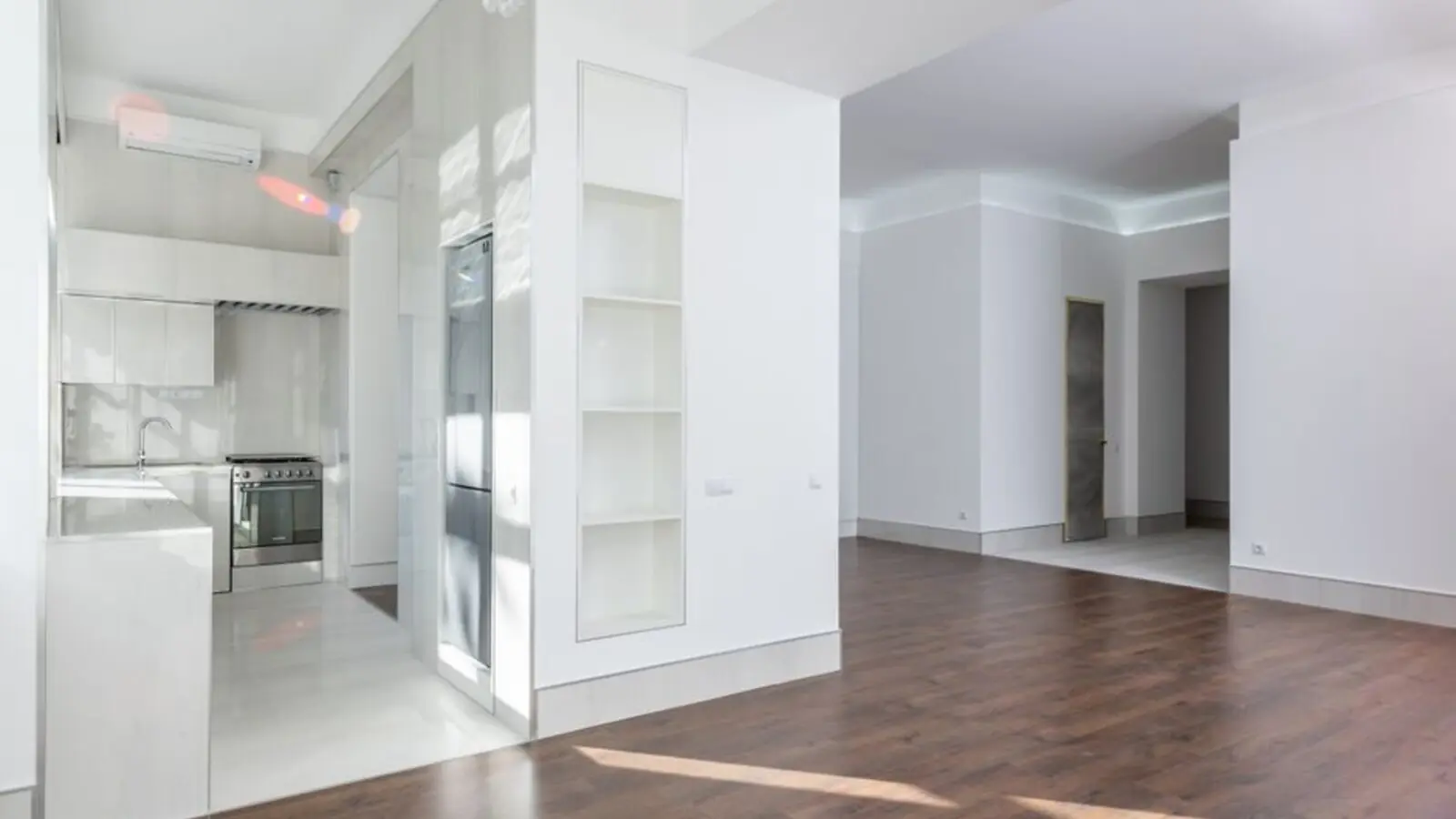
Doddagubbi, North Bengaluru
2, 3 BHK (proposed) • Price on request
11.23-acre JDA, ₹1,100 Cr GDV
Sonar Pada, Dombivli East, Mumbai
2, 3, 4 BHK • Price on Request
Upcoming homes off Kalyan-Shilphata Road
Hennur Road, Bengaluru
2, 3 BHK (expected) • Price on request
₹1,300 Cr GDV, 0.84 mn sq ft
Mandur, Budigere, Bangalore
2, 3 BHK (expected) • Price on request
14.57-acre residential development, GDV ₹2,300 Cr
Marine Drive, Kochi
1, 2, 3 BHK • Price on Request
Upcoming waterfront address near Marine Drive
Presented for informational reference only; not an offer or a contract. All particulars — pricing, dimensions, imagery — are subject to change without notice. Independent verification is recommended before deciding. About · Projects
Share your details and our expert will call you back.